seasonal
Specifying Glass Before a Colorado Winter: What to Settle This Fall
Autumn is the window to finalize door and window specifications ahead of Colorado's winter build season — thermal performance, thresholds, and lead-time planning.
By Mark Palitto · Co-Founder & Product Principal, Alta Vetro · June 5, 2026
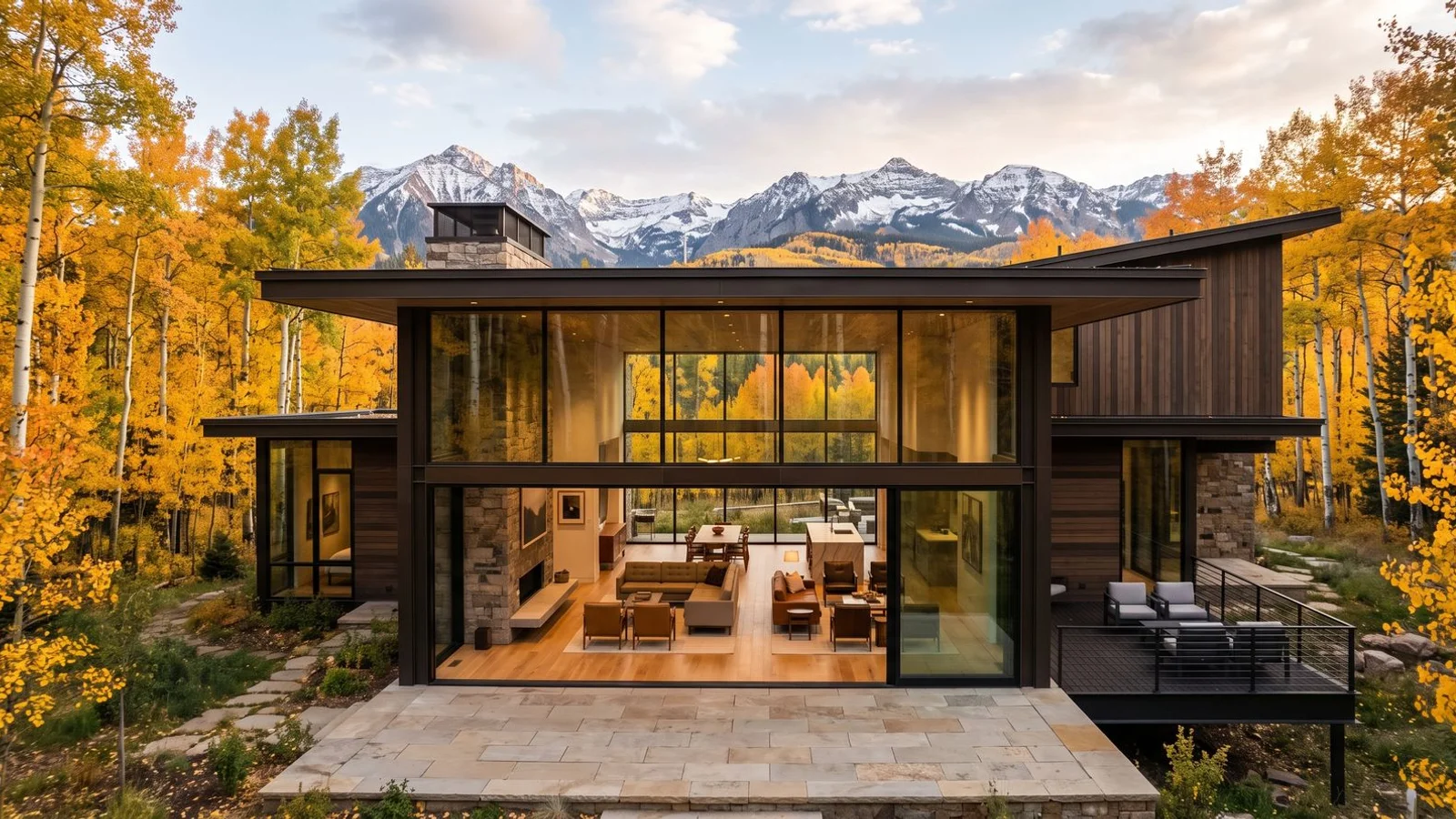
Autumn on a Colorado project has a particular character. The days shorten. The framer wants to get walls closed before the first snow. The client, walking through the shell, starts to think about how the openings will actually work through the winter that is now three weeks away rather than three months.
For custom home builds where the door and window package hasn’t been finalized, autumn is also the last practical window to settle the specification without pushing the whole opening schedule into next spring.
Why Autumn Matters More Than Any Other Season
There are three overlapping timelines to reconcile.
The build schedule. A framer’s headers, rough-openings, and threshold details need to be right the first time. If the door or window arrives with dimensions the frame wasn’t built for, the rework isn’t small. Finalizing the specification while the framer is still working means the rough opening is right when the crate arrives.
Manufacturer lead time. Custom aluminum systems in the sizes and finishes a luxury Colorado build calls for are not off-the-shelf. Panel-glass configurations, powder-coat finishes, custom hardware — these are configured to order. Six to twelve weeks from purchase order to delivery is typical, and the schedule doesn’t get shorter in November when everyone is trying to close their year.
The climate. Installation is easier before the deep-snow window sets in. Threshold seals set better in dry conditions. Glass moves easier through a valley that isn’t drifted in. Coordinating installation for late autumn or the shoulder of winter is a lower-risk path than trying to install a panoramic sliding wall in February with the site under two feet of snow.
What to Settle Before Winter
Three specification questions carry most of the weight.
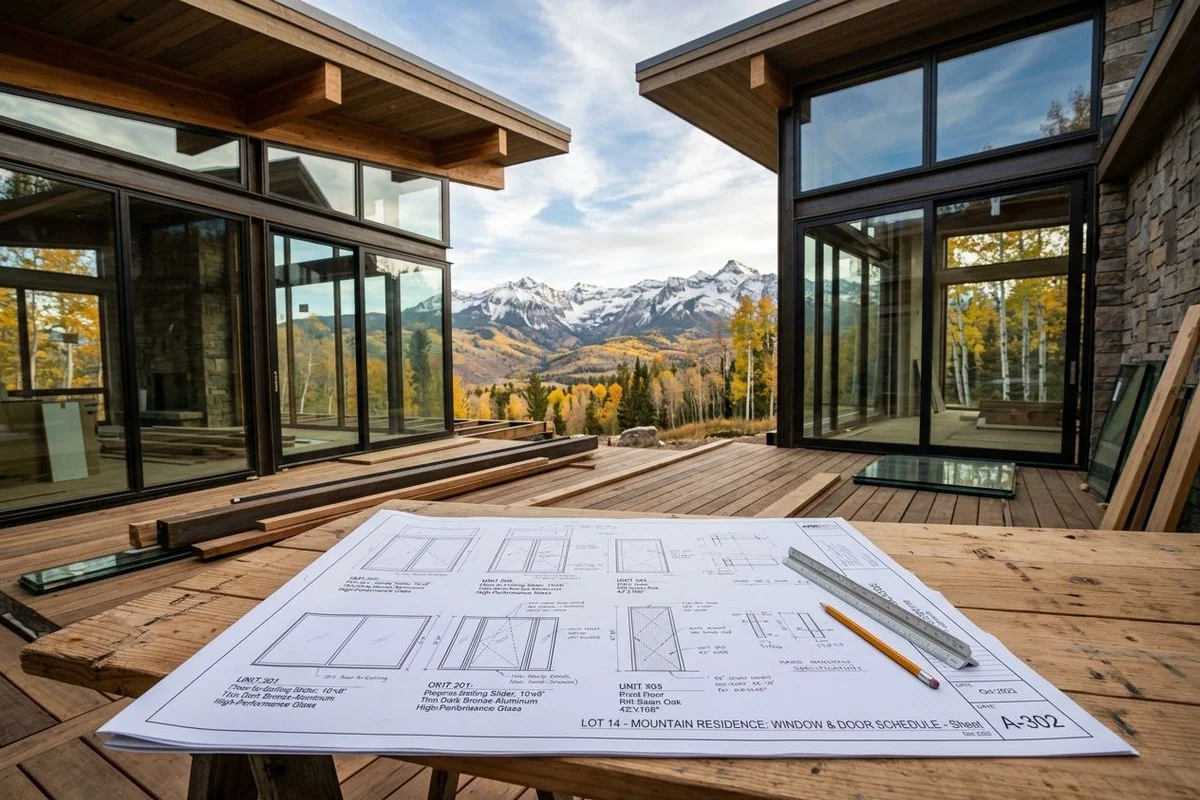
Thermal performance targets. IECC energy-code requirements in Colorado mountain counties are demanding, and expansive glazing packages need engineered performance to comply. If the spec is still being iterated in November, the numbers can move faster than the design intent can absorb. Locking in the thermally broken framing, insulated glass unit build, low-E coating, and U-factor target before the shell closes lets the whole envelope get audited together.
Threshold details. Every exposed entrance and every large sliding or bi-fold opening has a threshold decision to make. Flush barrier-free tracks with integrated drainage. Elevated thresholds with drainage channels behind. Snowmelt-shed detailing at the frame perimeter. These are decisions that need to be coordinated with the concrete pour and the exterior finish assembly — which are, of course, happening in the fall.
Altitude-specific glass. Insulated glass units built at sea-level pressure and transported to Colorado altitudes above 8,000 feet stress their edge seals unless they’re specified with capillary breather tubes. Not every manufacturer includes them by default. This is the kind of quiet detail that determines whether the IGU is still doing its job at year fifteen, and it needs to be in the purchase order before the panel is built.
Coordinating With the Installer
Manufacturer-backed installation adds a fourth timeline: the installation crew. The Install Company, our manufacturer-certified partner, blocks their schedule for known Alta Vetro projects. The earlier the specification lands, the earlier the install slot is confirmed, and the smoother the coordination with the general contractor.
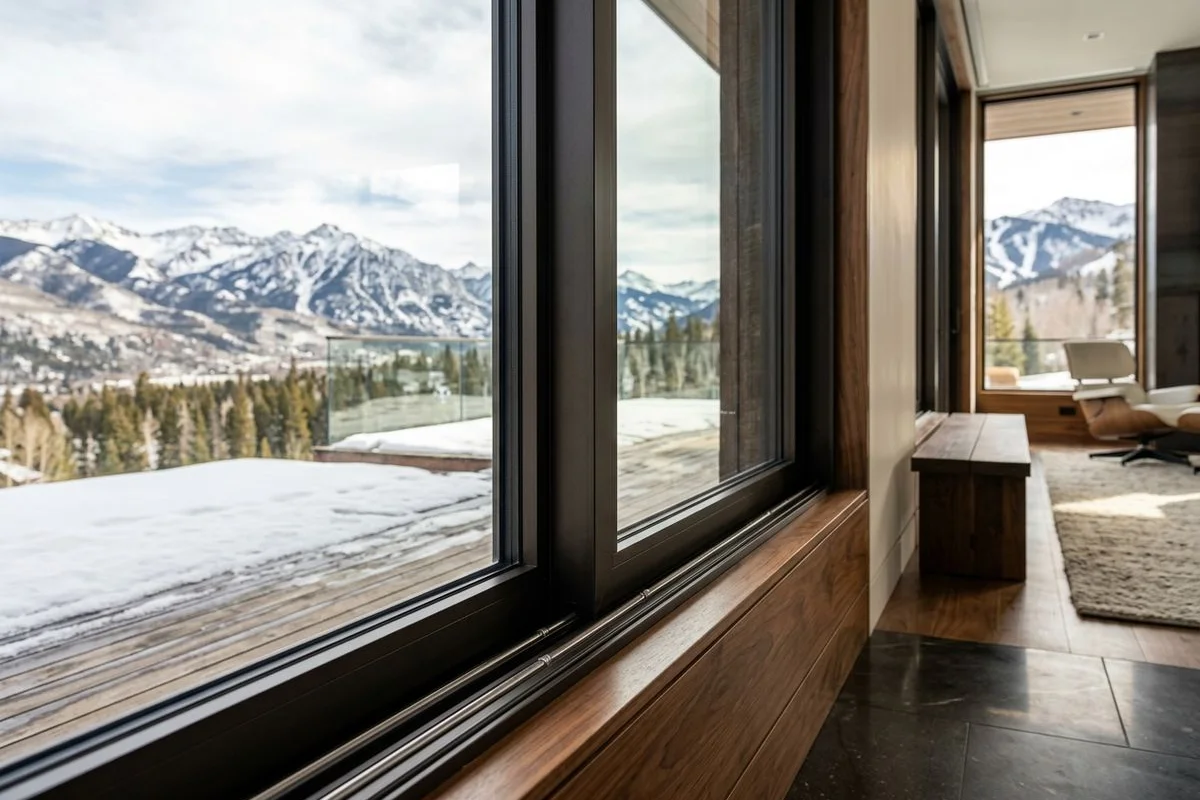
For projects with the door and window package still open in September or October, the practical question is whether specification, order, and installation can land inside the winter build window. The design-consultation timeline is short — one to two working meetings usually settles the direction — but the manufacturer clock starts when the order is placed, not when the design was signed off.
What This Means for Fall Consultations
If you or your architect are pricing large-format pivot doors, panoramic sliding walls, bi-fold openings, or a full schedule of architectural windows for a Colorado build closing this winter, the sooner the specification consultation happens, the more flexibility remains in the schedule. Panel dimensions, finishes, glass, threshold detail, and altitude-specific IGU spec can all be walked through in a single session; the specification framing and NFRC certification detail go into the architect’s package the following week.
The rest is coordination between the manufacturer, the installer, and your GC — which we handle. But it depends on the spec being finalized while the framer is still framing, not after the first snow closes the pass.