Windows
High-Performance Aluminum Windows Engineered for Mountain Homes
Casement and crank-out thermally broken aluminum windows engineered for Colorado's mountain climate.
Last updated July 17, 2026
-
Coverage
Colorado Statewide
-
Collection
70+ Door Designs
-
Finishes
12+ Designer Palette
-
Installation
Manufacturer-Backed
The Product
Between the Openings
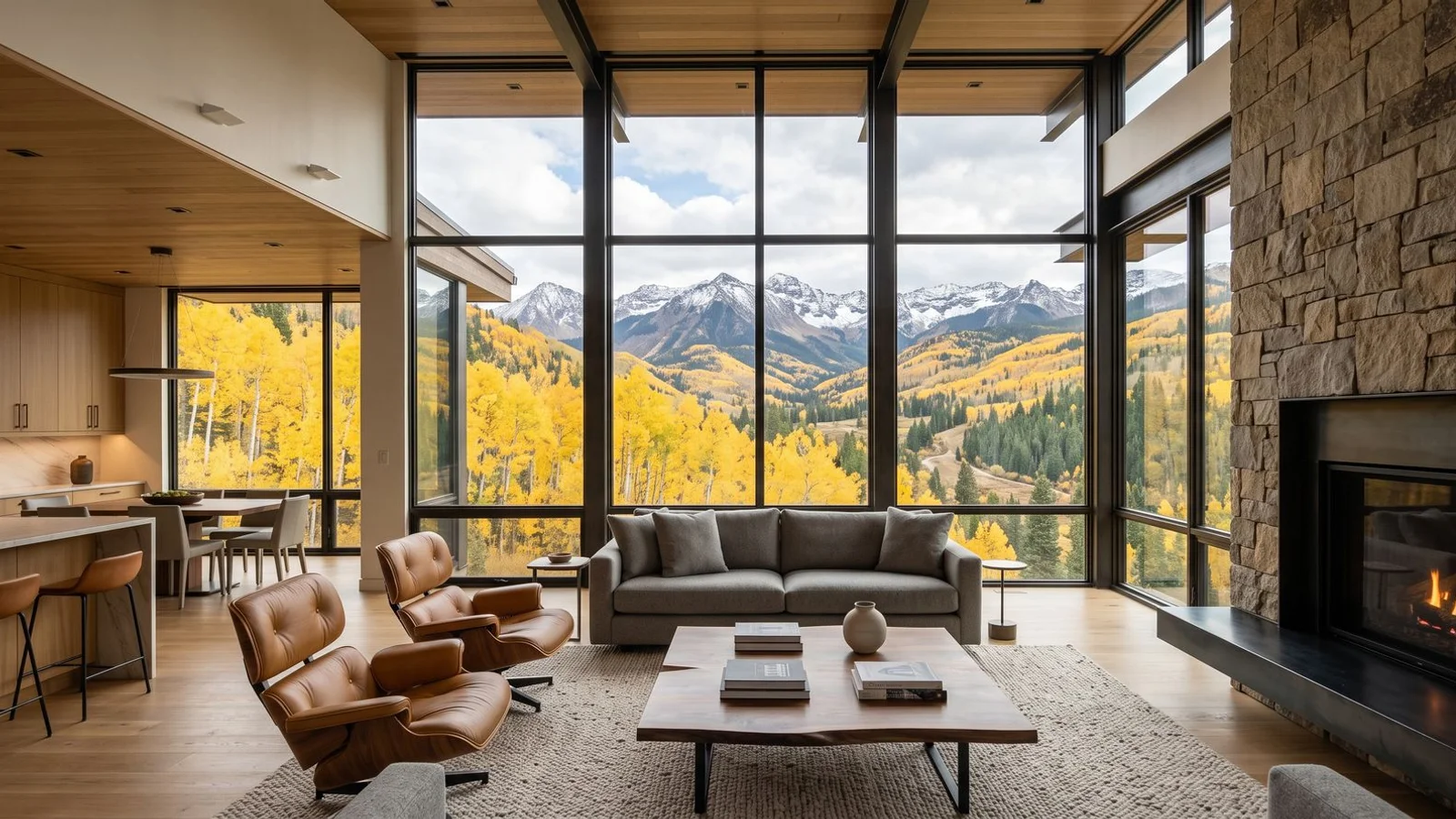
Doors get the spotlight. The windows in a mountain-modern home carry the light and the view every day. They also carry the thermal work: expansive glazing without a proportional expansive heating bill, comfort at the frame edge on a January morning, and no fogged IGUs at 9,000 feet.
Alta Vetro architectural windows are configured for that combination. Casement and crank-out windows in thermally broken aluminum, passive-house-grade high-performance windows for maximum energy efficiency, and narrow-frame systems that maximize glass and minimize sightlines — all on the same specification pathway as our door lines.
Engineered for Altitude
At Colorado elevations, sealed insulated glass units face pressure differentials the manufacturer at sea level never accounted for. Our IGUs use capillary breather tubes to equalize pressure so units survive transport and installation above 8,000 feet, then re-seal at altitude for long-term performance.
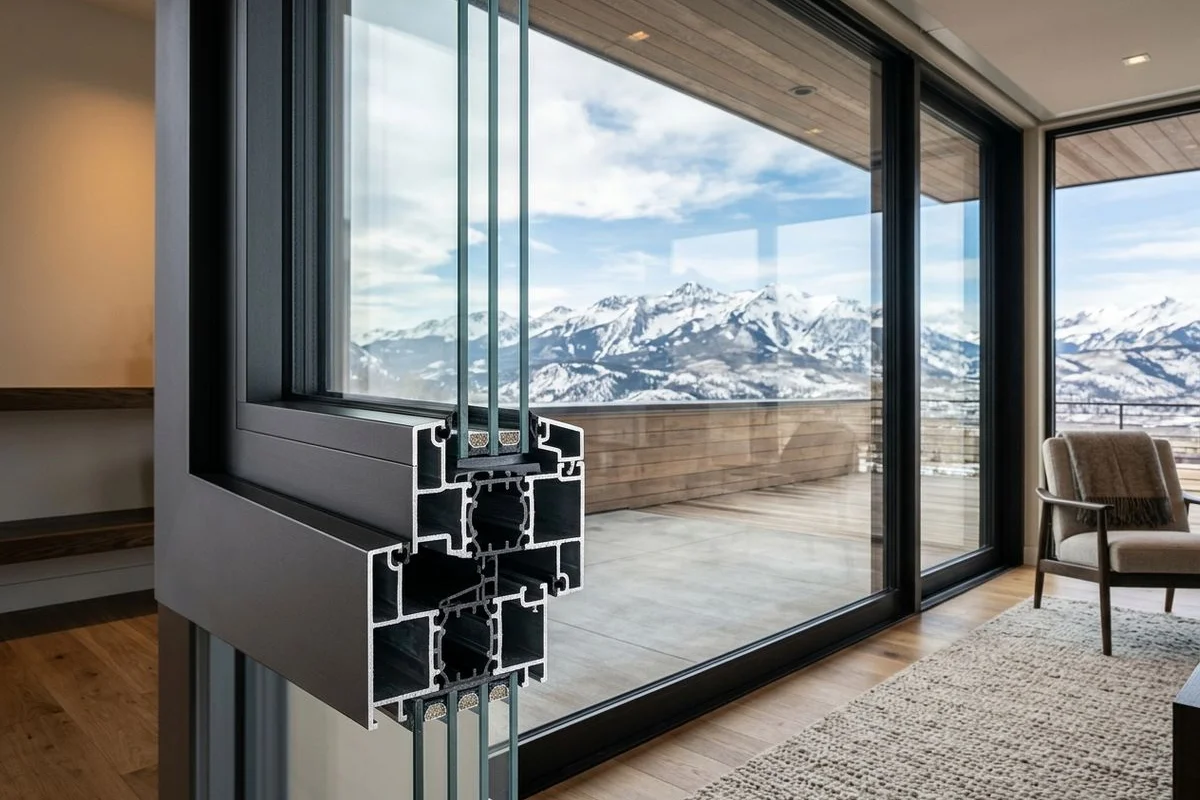
Multi-cavity insulated frames stop thermal bridging and reduce internal condensation. Low-E coatings and argon-gas fill are specified for altitude-appropriate performance. Finishes are UV-stable — the mountain sun is unforgiving on anything less.
Documented, Not Claimed
Our lines are NFRC certified, and our specification support includes the certification framing architects need for energy-code compliance without exposing raw test tables. On passive-house-aligned projects, the passive-house-grade line hits demanding U-factor targets while preserving the design intent.
What's Included
Configured to Your Project
- 01
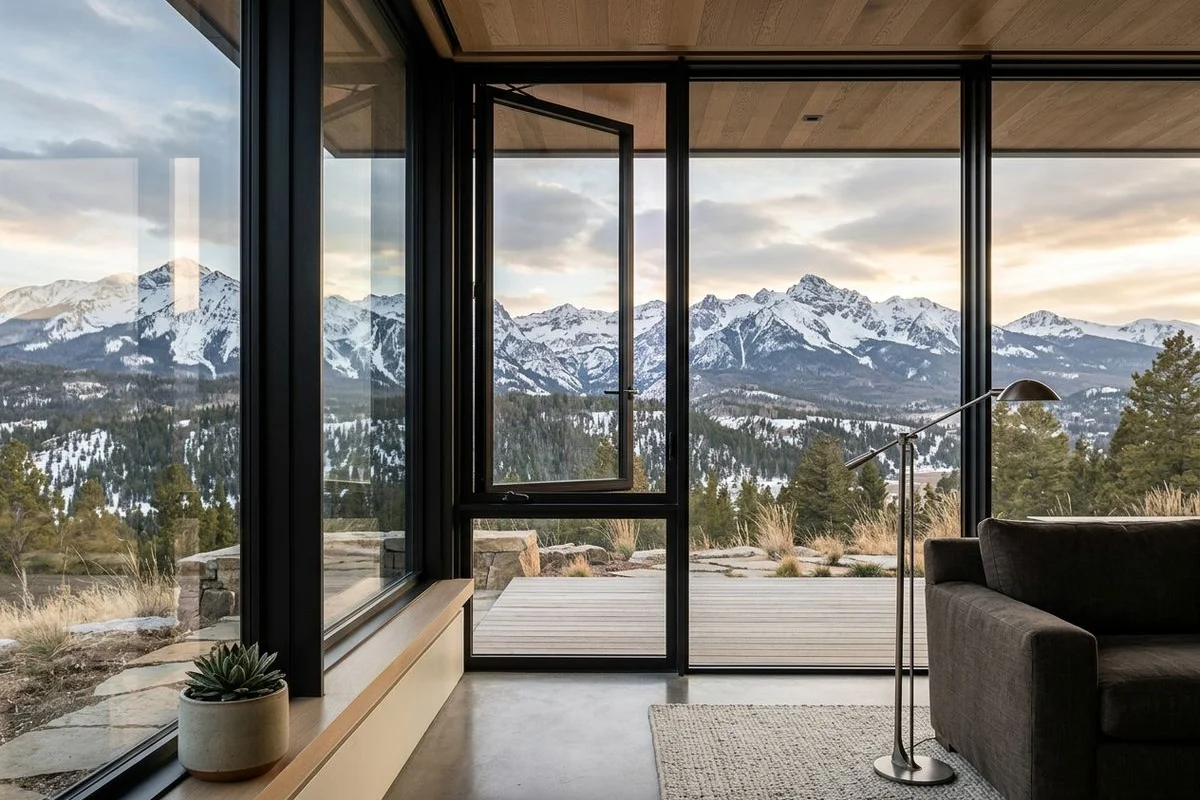
Casement and crank-out windows in thermally broken aluminum
- 02
Passive-house-grade high-performance windows for maximum energy efficiency
- 03
Narrow-frame systems that maximize glass and minimize sightlines
- 04
Engineered for extreme temperature swings, snow loads, and high-altitude UV
- 05
NFRC-certified performance across product lines
Why Alta Vetro
The Difference in Every Detail
Passive-House-Grade Option
Multi-cavity insulated frames and triple-pane glass hit demanding U-factor targets.
Minimalist Sightlines
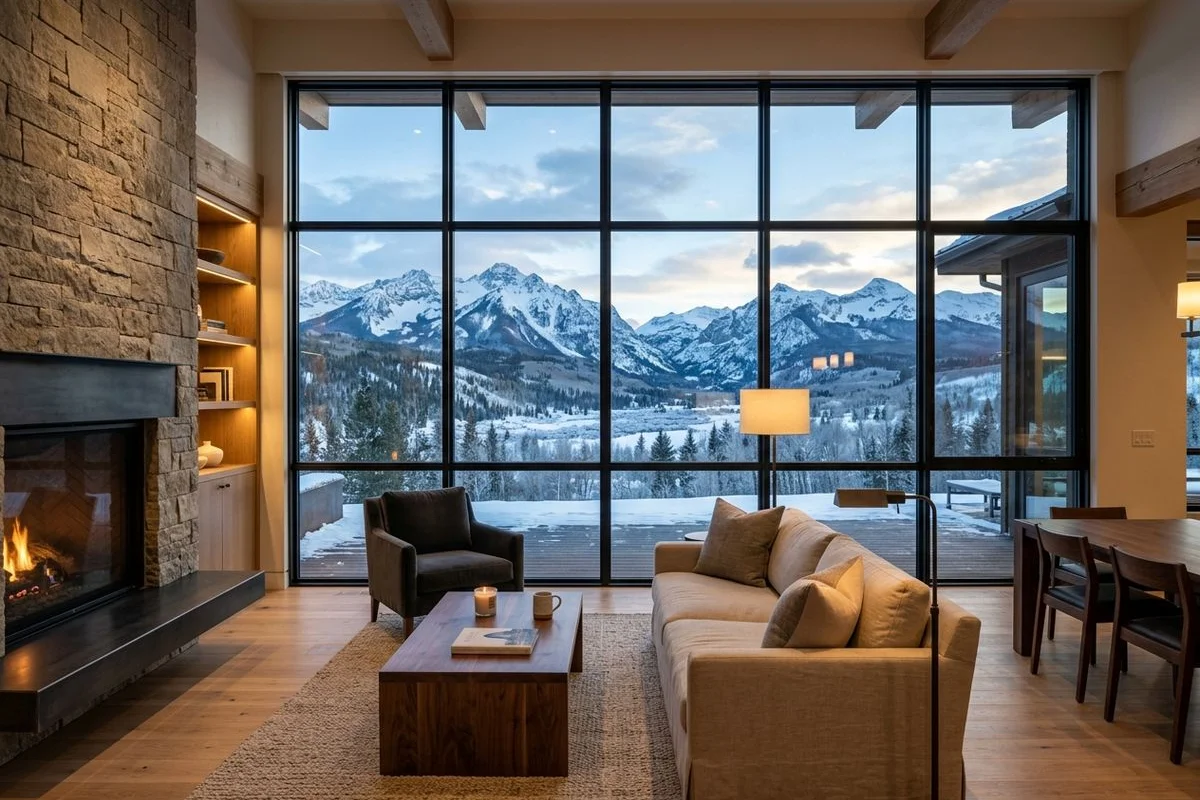
Narrow-frame systems maximize glass area and give the room its light and its view.
Altitude-Ready
Capillary breather tubes and high-altitude glazing keep IGUs stable above 8,000 feet.
NFRC Certified
Documented performance framing across the product lines supports architect specifications.
The Process
From Consultation to Certified Install
01
Design Consultation
We review the window schedule, orientation, and performance targets with you or your architect.
02
Configuration
Series, glass, finish, and operation type are configured per opening.
03
Specification & Order
NFRC framing and CAD sections are delivered for the specification package.
04
Certified Installation
Installation is coordinated through The Install Company for warranty confidence.
The Portfolio
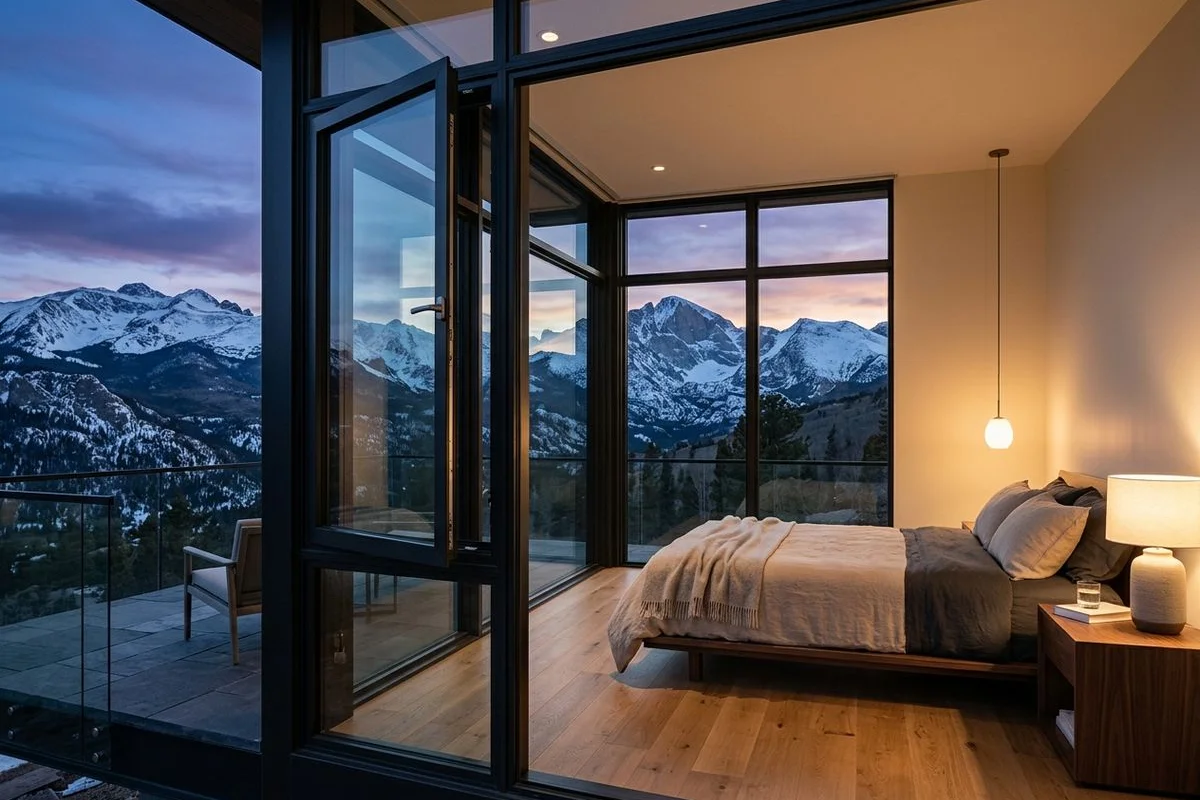
Windows in Colorado Projects
On the Record
From Architects, Builders, and Homeowners
“The sightlines are extraordinary — the frame genuinely disappears into the view. Specifying Alta Vetro gave our clients the wall they wanted with the thermal performance the code demanded.”
Architect, Mountain-Modern Studio
Aspen & Snowmass
“The pivot door is the moment guests remember before they even step inside. Oversized, effortless to operate, and finished exactly to our palette.”
Custom-Home Client
Cherry Hills Village
“Alta Vetro delivered the same class of thermally broken, large-format glass at a price that actually fit the project. Accessible luxury is the right description.”
General Contractor
Vail & Beaver Creek
FAQ
Windows — Common Questions
What is a passive-house-grade window?
A window whose thermal performance meets or exceeds the U-factor and airtightness targets of the Passive House standard. Our passive-house-grade line uses multi-cavity insulated frames and high-performance triple-pane glass to hit that target.
Why does altitude matter for windows?
Insulated glass units are sealed at sea-level pressure. At Colorado altitudes the pressure differential can stress the seals. Capillary breather tubes equalize the pressure so IGUs survive transport and installation above 8,000 feet.
How do the windows handle Colorado UV?
High-altitude UV degrades finishes and glass coatings faster than at sea level. Our finishes are UV-stable, and low-E coatings are specified for altitude-appropriate performance.
Can I get narrow-frame windows without giving up thermal performance?
Yes. The thermally broken narrow-frame systems balance slim sightlines with strong U-factor. For the most demanding thermal targets, the passive-house-grade line trades some sightline for maximum performance.
Are your windows NFRC certified?
Yes. Our lines are NFRC certified, and we share certification framing without publishing raw test tables. Architects receive the certification detail needed for energy-code compliance.
What operation types are available?
Casement, crank-out, and fixed configurations are core to the line. Additional operation types and custom sizes are configured per project.
Explore Further
Related Systems
Go Deeper
Windows Guides
definition
Casement and Crank-Out Aluminum Windows Explained
How casement and crank-out aluminum windows work — operation, sealing, ventilation, narrow-frame aesthetics, and where they fit in modern homes.
scenario
Engineering Windows for Snow Load, UV, and Temperature Swings
How windows are engineered for Colorado — snow-load resistance, high-altitude UV protection, temperature-swing performance, and capillary breather tubes.
definition
Passive-House-Grade Windows for Colorado Mountain Homes
Passive-house-grade window performance for Colorado — thermal break, multi-cavity insulation, energy efficiency in extreme climates, and condensation resistance.
comparison
Double vs. Triple-Pane and Low-E Glass for High-Altitude Homes
Choose glazing for mountain performance — double vs triple-pane trade-offs, low-E coatings, argon fill, U-factor/SHGC, and altitude-specific IGU considerations.
The Consultation
Begin With a Design Consultation
Share the project, the architecture, and the openings. We will guide you through finishes, glass, hardware, and configuration — and the manufacturer-backed installation that follows.